
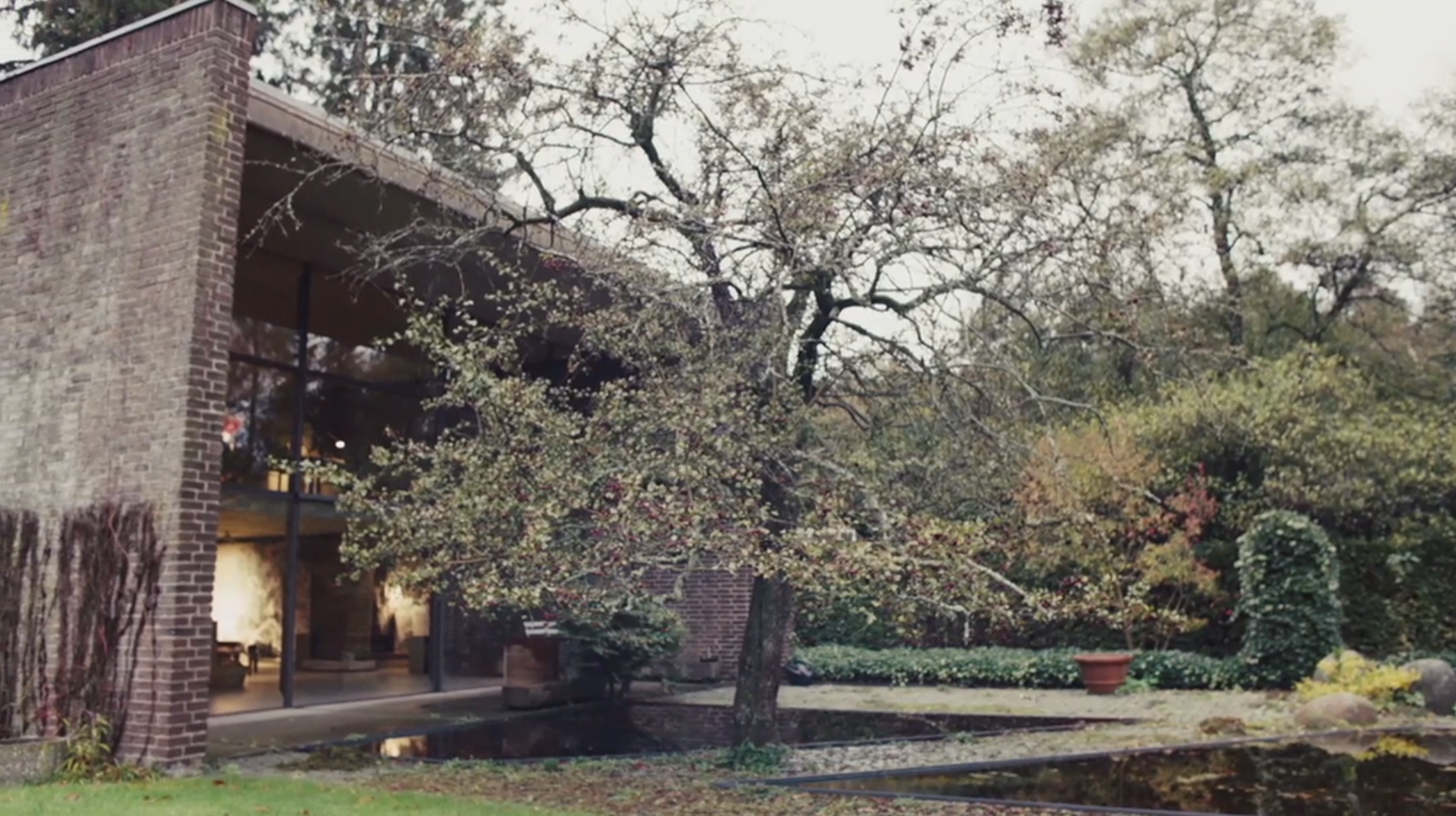
Renovating Historic Villas in Denmark: The Greenest Building Is the One Already Standing
Knud Helmuth Holscher’s Holte home blends simplicity, function and sustainability: clean lines and a restrained material palette create a calm, timeless look while spatial planning emphasizes daylight, natural ventilation and flexible living. Built with durable local materials and waste-reducing detailing, it shows how restrained design lowers environmental impact without sacrificing comfort. Passive measures—insulation, solar orientation and shading—plus adaptable interiors make the house a compact, high‑performance, long‑lived model.
From Buildings to Systems
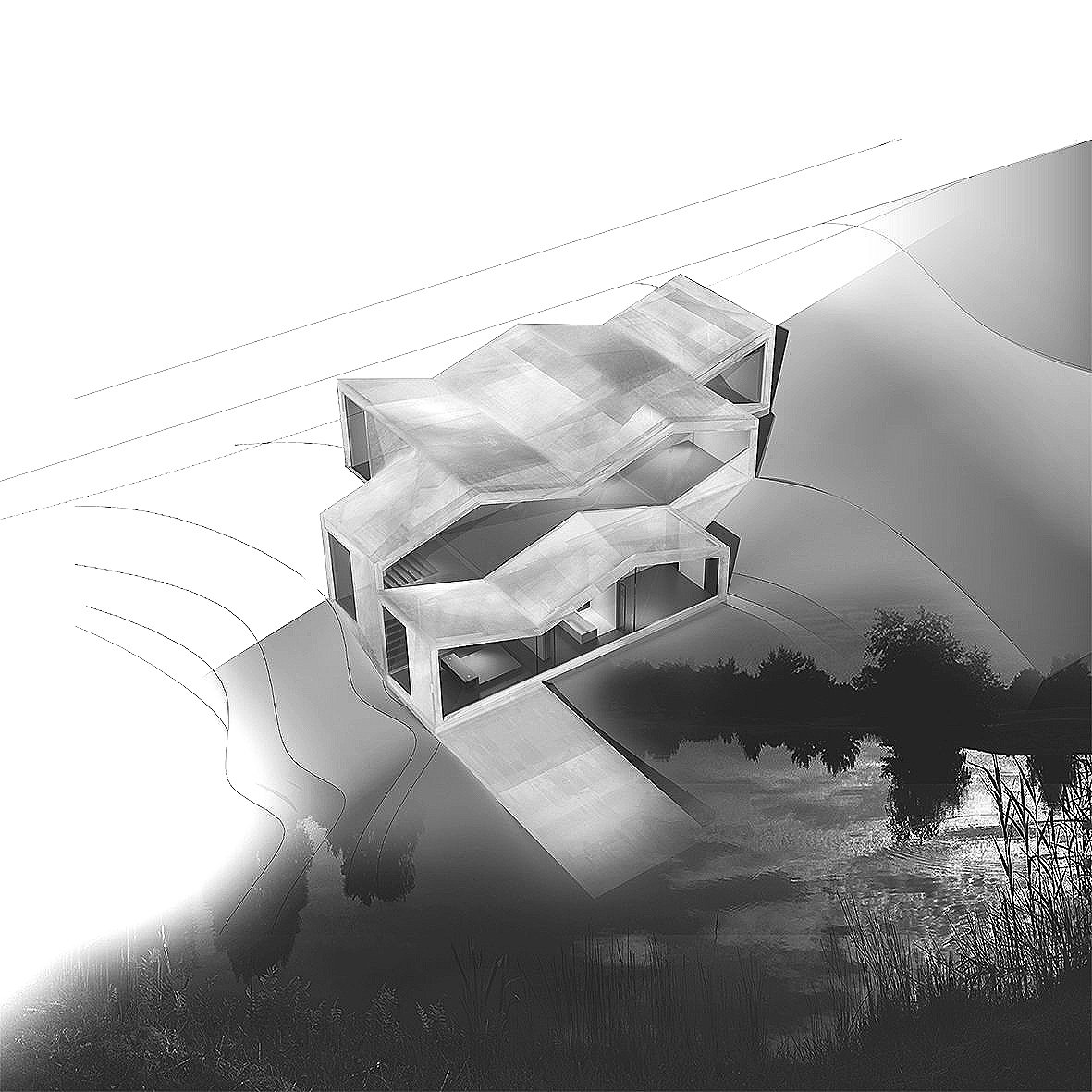
Architecture has always been nailed to one place. We design, build, and watch things age for hundreds of years. But when data centers and energy production move to space, architecture detaches from geography entirely.

The Space: As a companion
As digital systems move from infrastructure to companionship, the home becomes a relational environment rather than a passive shell. Intelligence is no longer expressed only through automation, but through presence—mediated by light, sound, and projection. In this shift, domestic architecture must respond not just to bodies, but to behavior, trust, and emotional proximity, redefining the home as an active participant in everyday life.

The Home as Interface
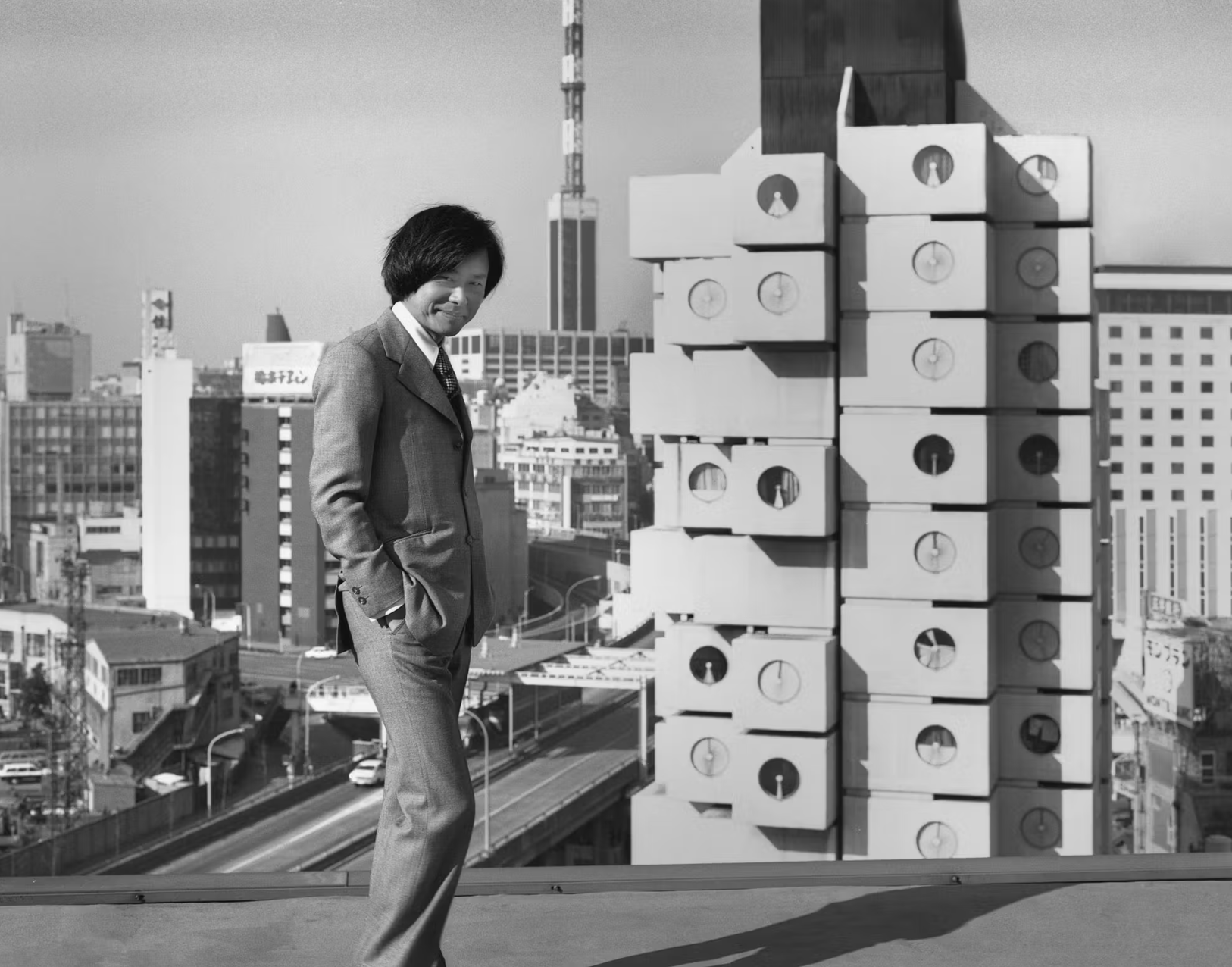
In 1969, Joe Colombo reimagined the home as an integrated system rather than a static container. Technology was not added on, but absorbed into space—embedded in walls, ceilings, and spatial logic. His work reminds us that the future of housing is not defined by more devices, but by how intelligently technology is spatially disciplined and seamlessly integrated into everyday life.

Building for what comes next
The future of architecture is defined by adaptability rather than permanence. As ways of living continue to shift, buildings must become responsive frameworks—spaces that support change, embrace uncertainty, and prioritize care over control.

Sustainability
At Monitz, sustainability shapes every decision we make. From material lifecycles and environmental impact to social responsibility and wellbeing, we see architecture as a tool for making informed, conscious choices—creating buildings that support both people and the ecosystems they belong to.

Shared Living: A New Era of Community-Oriented Housing
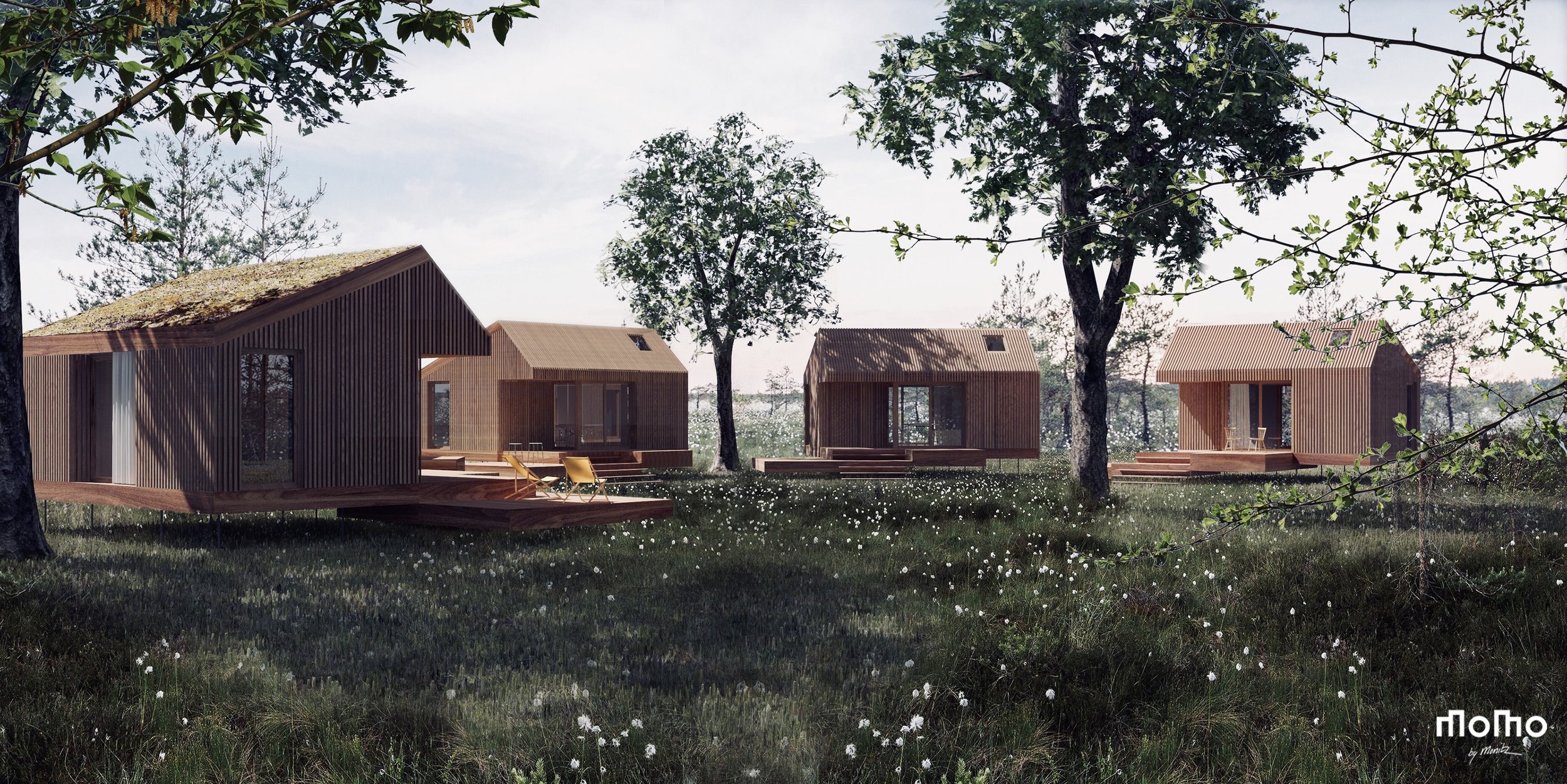
In today's fast-paced world, the need for community and connection has never been greater. Our cities are growing, and the cost of living is rising, making it increasingly difficult for people to find affordable housing. However, a new type of housing solution is emerging - shared living.
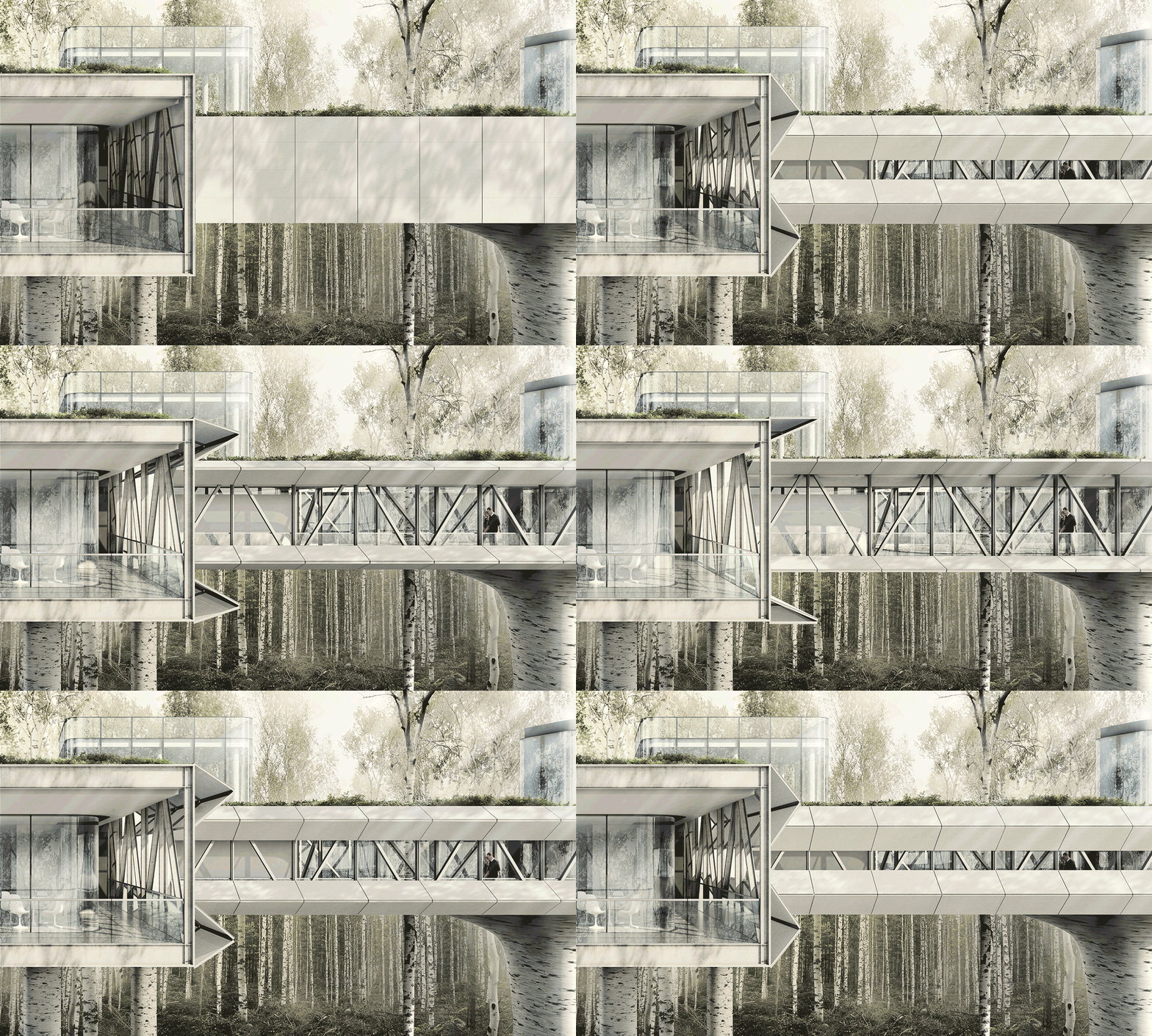
How do we build homes with regenerative Design in mind?
Regenerative design is an approach to building homes that seeks to restore and enhance the natural systems that support life.